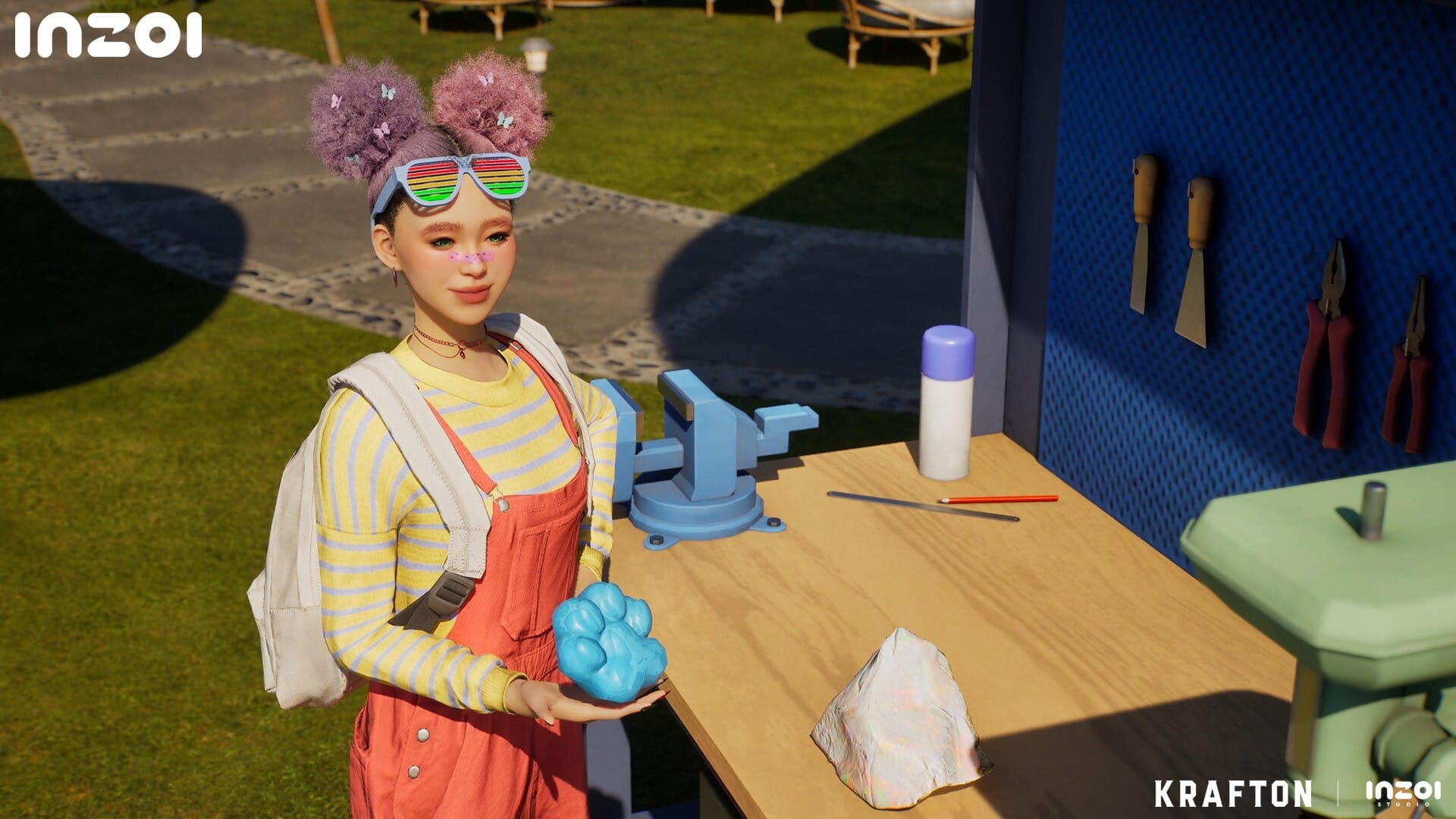
A little over a year after its launch, the inZOI Modkit became considerably more ambitious. Launched in June of 2025, it had a relatively straightforward purpose: to give players official tools to create custom content for the game. Creators could make outfits and furniture, edit selected game data, use resources in programs such as Blender and Maya, and distribute their creations through CurseForge or share and install them locally. It was an important start, but it was still very clearly a beginning.
A little over a year later, the situation looks considerably different. The ModKit has expanded beyond just furniture and clothing customization to include Build Mode categories, localization, MetaHuman assets, Overlay UI mods, and much more. The surrounding infrastructure has also grown with it. Official samples, interactive tutorials, an increasingly capable command-line interface, and Model Context Protocol (MCP) support are beginning to change not only what creators can build but also how they learn to build it. For a ModKit that was officially released less than 2 years ago, the difference between where inZOI modding started and where it stands today is becoming difficult to ignore.
Where It All Started
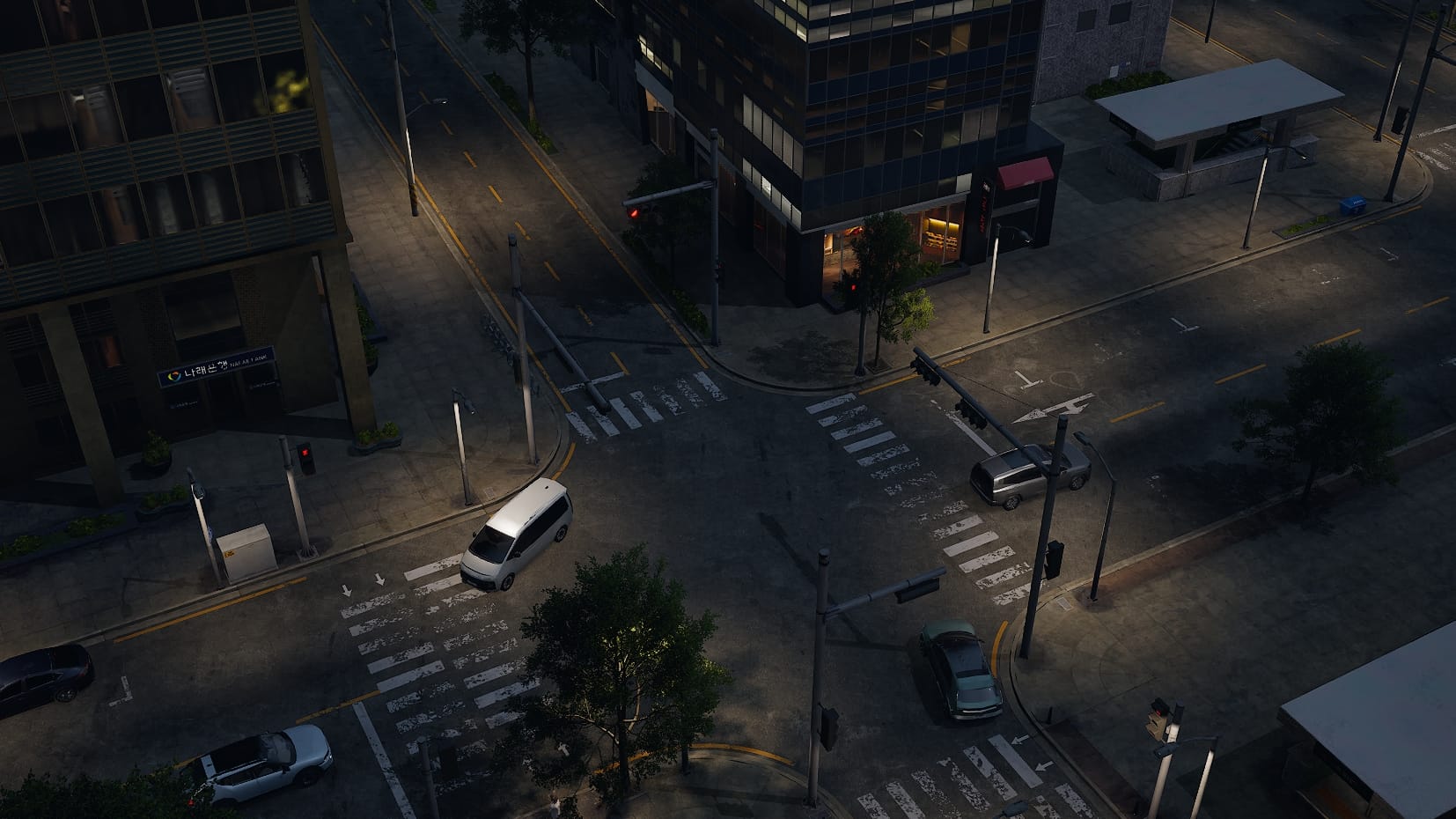
At launch, its headline features were custom outfits, furniture, and decorative objects, but there was already more happening in the backgrounds. The original release included tools intended to simplify game data creation and editing, and to provide FBX resources and plugins for Blender and Maya. Mods could either be uploaded to CurseForge for installation via the game's Mod Browser or the website, or packaged for manual installation.
That distinction between asset creation and data editing was important from the beginning. A creator did not necessarily have to stop at making a new table or shirt. The developers exposed JSON data that could be used to alter portions of the game's settings and logic, while sample projects demonstrated clothing, hairstyles, furniture, and interactions.
Still, there were significant limitations: dedicated tools for areas such as face customization were not available in the initial release, and while animation imports were possible through data modding, the developers acknowledged that the process could be challenging for beginners, and more ambitious scripting support was still planned for later development. The first ModKit was therefore less of a finished modding ecosystem and more of a foundation.
Making a Mod Is One Thing. Keeping It Working Is Another
The next stage of development was not particularly glamorous, but it was necessary. inZOI remains an actively developing game, so its meshes, materials, character systems, data, and other underlying resources may change. A mod built against one version of the game may therefore need to be updated when those resources change. The August 2025 ModKit update expanded the resource migration tool by adding a migration workflow, allowing creators to modify material references during migration, and enabling individual remigration of material assets.
Compatibility for Blender plugins was also expanded to the Blender 3.x series, while Maya support was broadened as well. This may sound considerably less exciting than being given a new mod category, but migration and backward compatibility are essential for an Early Access game's modding community. A creator needs more than the ability to make something. They also need a reasonable chance of maintaining it.
That challenge has continued into 2026. When changes to inZOI's Character LOD3 bone information threatened to cause broken skinning on older outfit mods, creators were not expected to manually redo their rigging or weight painting. Instead, the developers instructed creators to reopen their projects using the updated ModKit and upload them again, after which CurseForge's Cloud Cooking process would generate the updated compatibility information. It is a good example of an aspect of modding players rarely see: maintenance tooling matters almost as much as creation tooling, and the developers were highly praised for their efforts in doing this.
Hair, Skin, Construction, Localization, and Roadmap Changes
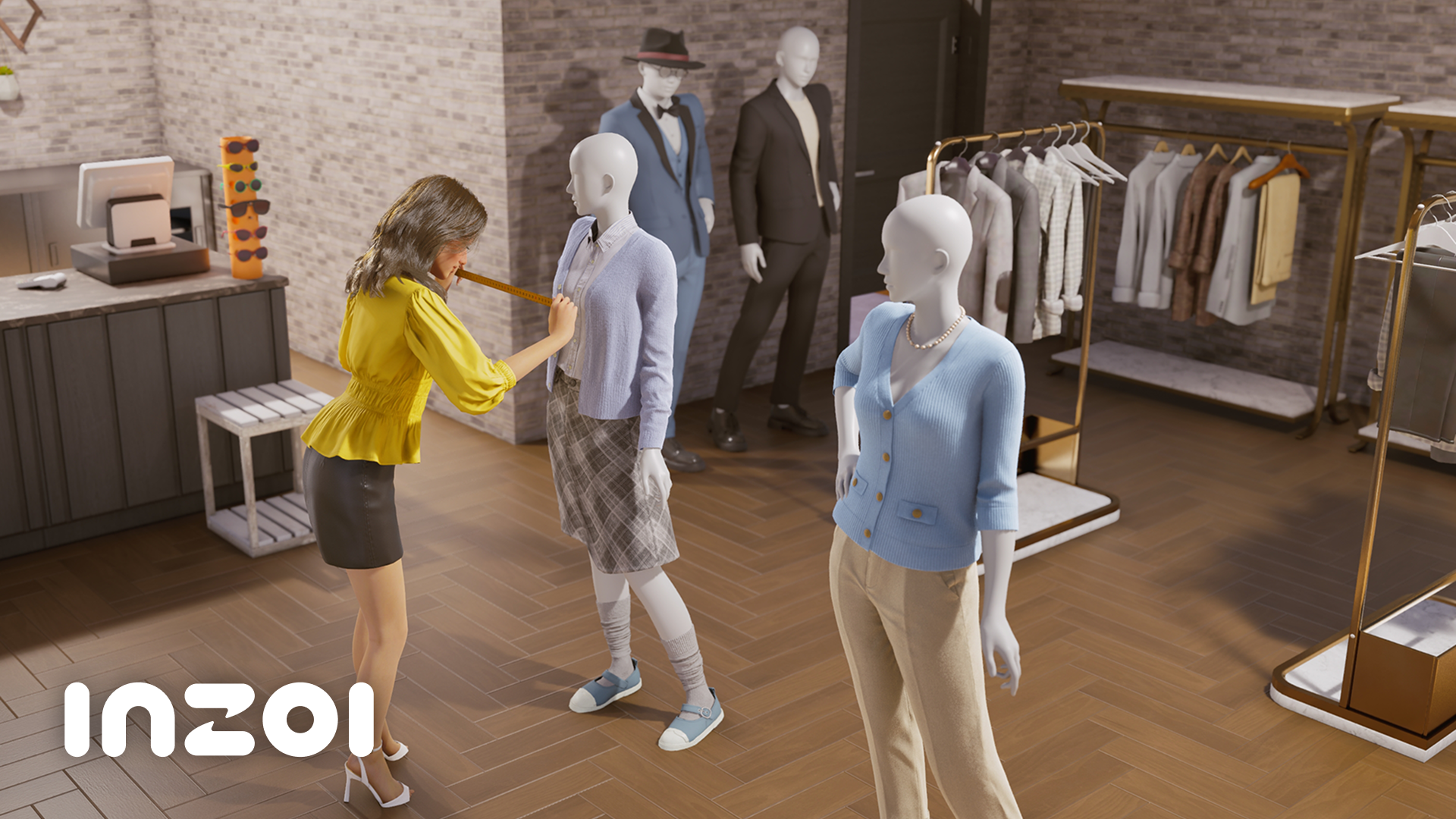
By October 2025, the list of officially supported content was already becoming substantially larger. The Developers added the skin system, raw resources for hair and skins, hair customization options, and masking editing. Build Mode expanded with dedicated support for doors, fences, pillars, and windows, along with localization mod support being added as well. Localization is an especially interesting addition because it demonstrates how the ModKit was being expanded beyond the obvious categories of clothing and furniture. A translation mod might not produce the same eye-catching screenshots as those found on CurseForge for a custom outfit, but it allows the community to modify how game text is presented and potentially make content accessible to more players.
Not every part of that expansion happened according to plan, however. In June 2025, the inZOI developers said scripting mods were in development and were then expected as part of a December update, but that plan later changed.
In October 2025, they announced they would switch the scripting language for script mods from Blueprint to Lua. Because of that architectural change, script mods functionality was delayed into 2026, with the developers saying they wanted additional time to make the system more complete, expandable, approachable, and properly documented. At the time, the delay understandably meant creators had to wait longer for more advanced scripting, and while the community did not take it too well, it understood the changes. Systems appearing during updates in 2026 now provide some context for that decision.
inZOI's advanced modding environment is increasingly built around several layers rather than a single isolated scripting feature: Lua, JavaScript for UI mods, a common CLI command catalog, and MCP tools. The official CLI documentation now describes the CLI as a standalone integration layer whose commands can be invoked from different host environments, including JavaScript within UI Mods and Lua scripts. Those commands provide well-defined parameters rather than requiring external code to directly manipulate undocumented internal data.
MCP: One of the Modkit’s Most Interesting Features
One of the more unusual additions to inZOI's modding ecosystem is its support for the Model Context Protocol (MCP). MCP essentially provides a structured way for compatible external clients to discover and interact with tools exposed by another application. For a modder, the important part is not the protocol's name. It is what that structured connection can provide.
Traditionally, a creator trying to use an unfamiliar game command might need to search documentation for the command, determine its parameters, find which values are valid, experiment with the syntax, and then diagnose whatever went wrong. A structured tool interface can expose much of that information directly. The September update significantly improves this capability. But it does not mean "Press a Button and Make a Mod".
There is an important distinction here. MCP should not be interpreted as a replacement for understanding modding. If a custom mesh has terrible topology, MCP does not magically make that topology good. If clothing has incorrect skin weights, a structured connection to the ModKit does not automatically turn it into properly rigged clothing. What MCP can improve is access to the tool itself. A compatible assistant or development environment can work with information exposed by the current ModKit rather than relying entirely on memory, outdated tutorials, or guesswork.
For beginners, that could eventually make questions such as:
"Which command lets me inspect this?"
considerably easier to answer.
For experienced creators, it can reduce the friction involved in exploring the software and testing systems. That is a much more meaningful development than simply describing MCP as "AI making mods."
The ModKit Is Still Evolving
The biggest change over the past year is not any single feature, but how much the ModKit has expanded around creators. What began primarily as a way to make clothes and furniture is becoming a broader development environment, reaching into characters, Build Mode, localization, UI, scripting, and the tools used to work with all of them.
There is still plenty of room for the ModKit to grow, but the direction is becoming clearer. The focus is gradually shifting from simply allowing players to create content toward giving creators more capable ways to build, experiment, and maintain their projects. They are also putting the community, from places like their official Discord channel, the r/inZOIMods and r/inZOI subreddits, as well as other popular platforms, at the center of what they make and publish. Listening to their suggestions, needs, and desires is one of the many reasons many players have come to favor the inZOI developers so much.
For a platform launched in June 2025, that is a significant evolution in a relatively short time. And with Lua, CLI tooling, and MCP now entering the picture, the next stage of inZOI modding could be less about what creators are allowed to make and more about how much control they are given to make it.
Now this leaves the question "where does inZOI's modding ecosystem go from here?..."