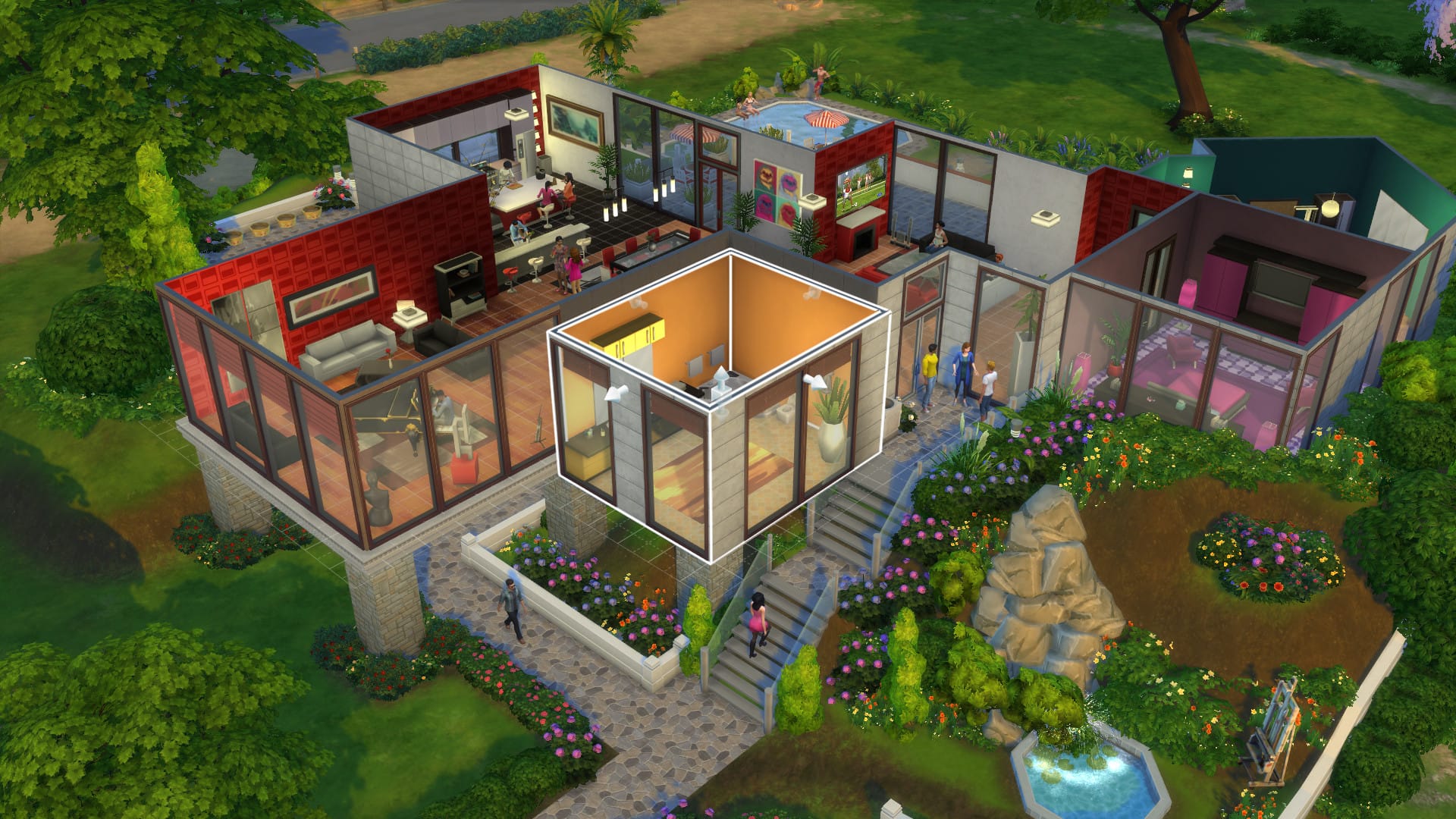
Creating the homes and places where your Sims live out their stories is one of the most rewarding parts of the game, but getting them to look the way you imagined isn't always easy. From cozy homes to community lots and everything in between, a few key techniques can make a big difference in how your Sims 4 builds come together.
The good news is that making great builds doesn't require loads of experience. It just takes a bit of planning, some smart design choices, and avoiding a few common mistakes. With that in mind, this guide will help you create builds that are both beautiful and functional.
Start With A Plan
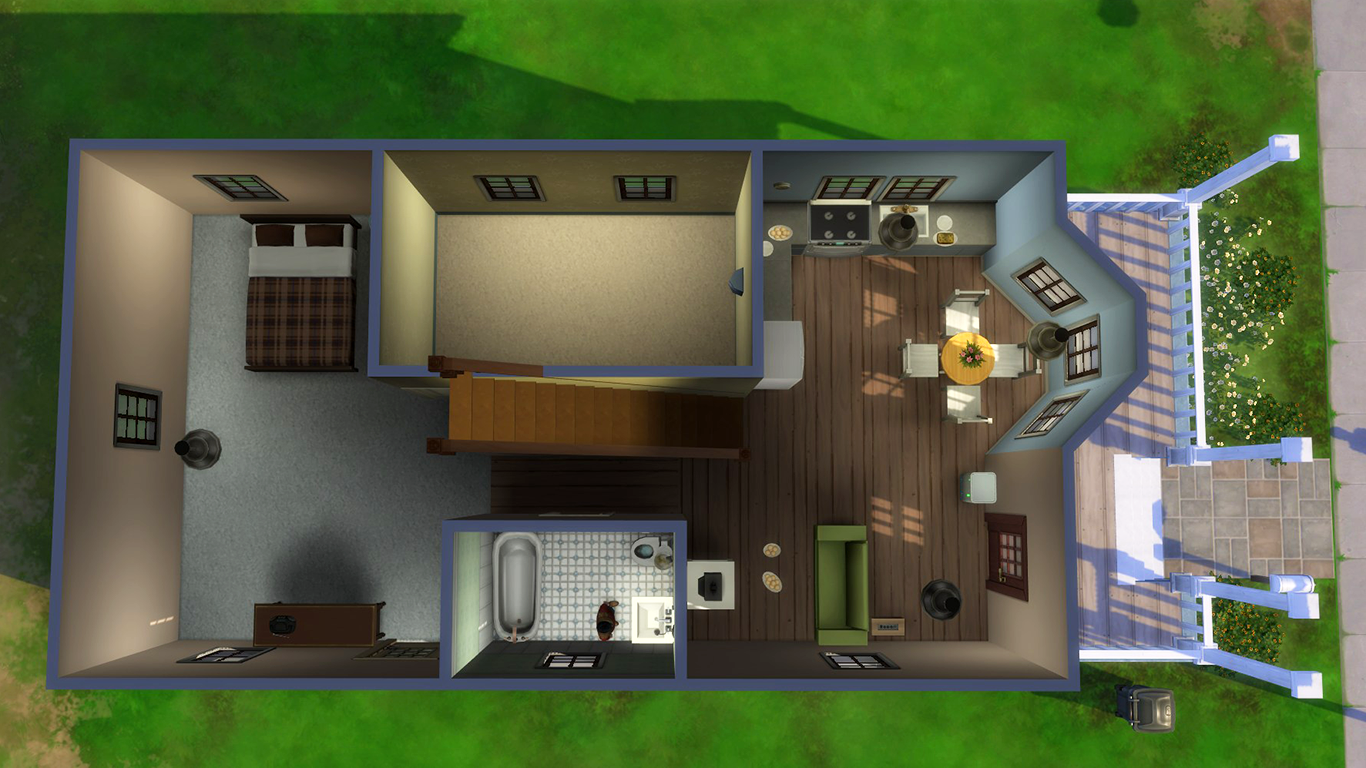
One of the biggest mistakes new builders make is just placing random rooms. While this can occasionally produce interesting results, it usually leads to awkward layouts and wasted space, with oversized rooms and confusing floor plans that are difficult to decorate later.
Instead, decide on a few basics before placing your first wall:
- What style of home are you building?
- How many bedrooms and bathrooms do you need?
- How large should the lot be?
- Will your Sims need space for hobbies, pets, or future expansions?
If you're struggling with layouts, don't be afraid to use real-life floor plans or reference photos for inspiration.
Keep Room Sizes Realistic
One of the easiest ways to improve your builds is by making rooms smaller.
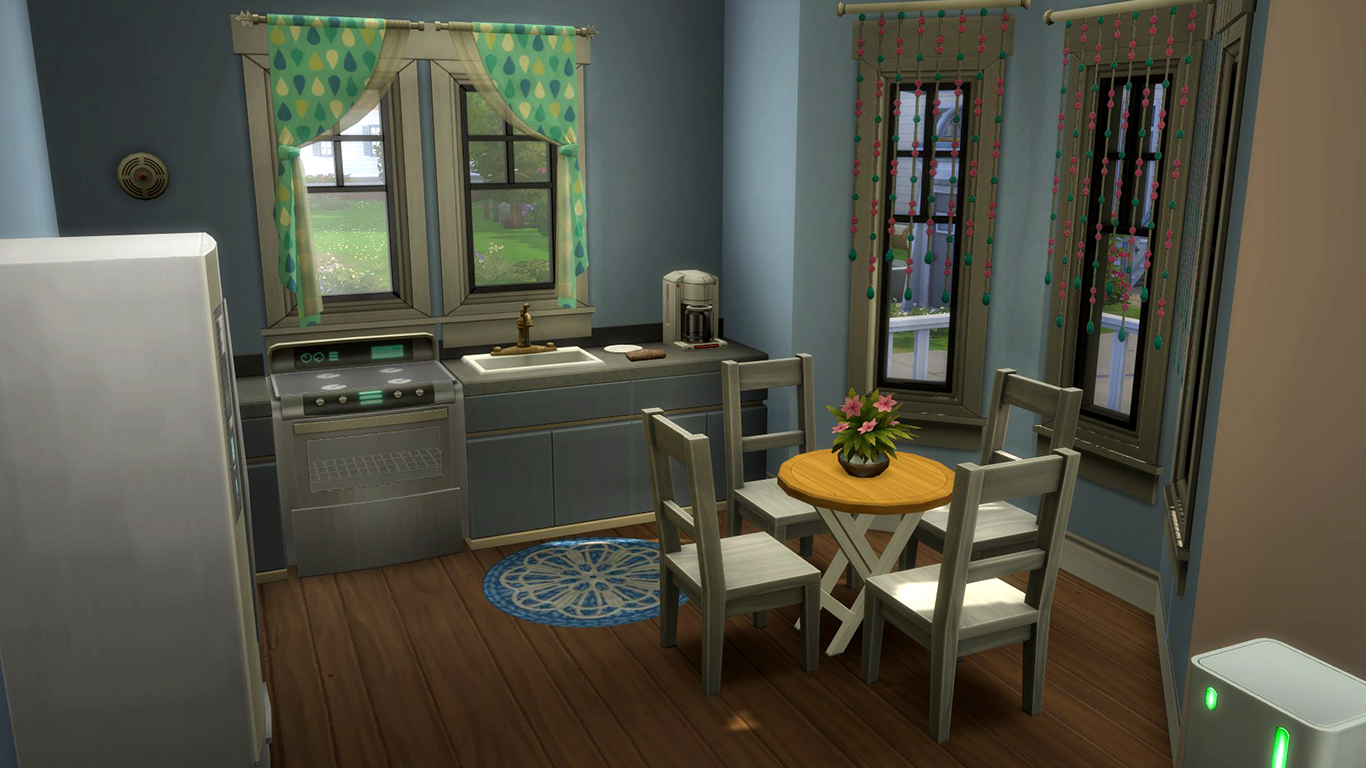
Many players build enormous bedrooms and living spaces because they worry Sims need lots of room to move around. In reality, Sims only need enough routing space to access furniture comfortably. Huge, empty rooms often require more furniture just to feel complete.
Smaller rooms often look more realistic, are easier to furnish, allow for more detail, and feel less empty. Try decorating first before expanding a room. You'll often find it doesn't need nearly as much space as you expected.
Build The Exterior Before Decorating
This step is about the structure of the build itself: walls, roof, windows, and layout.
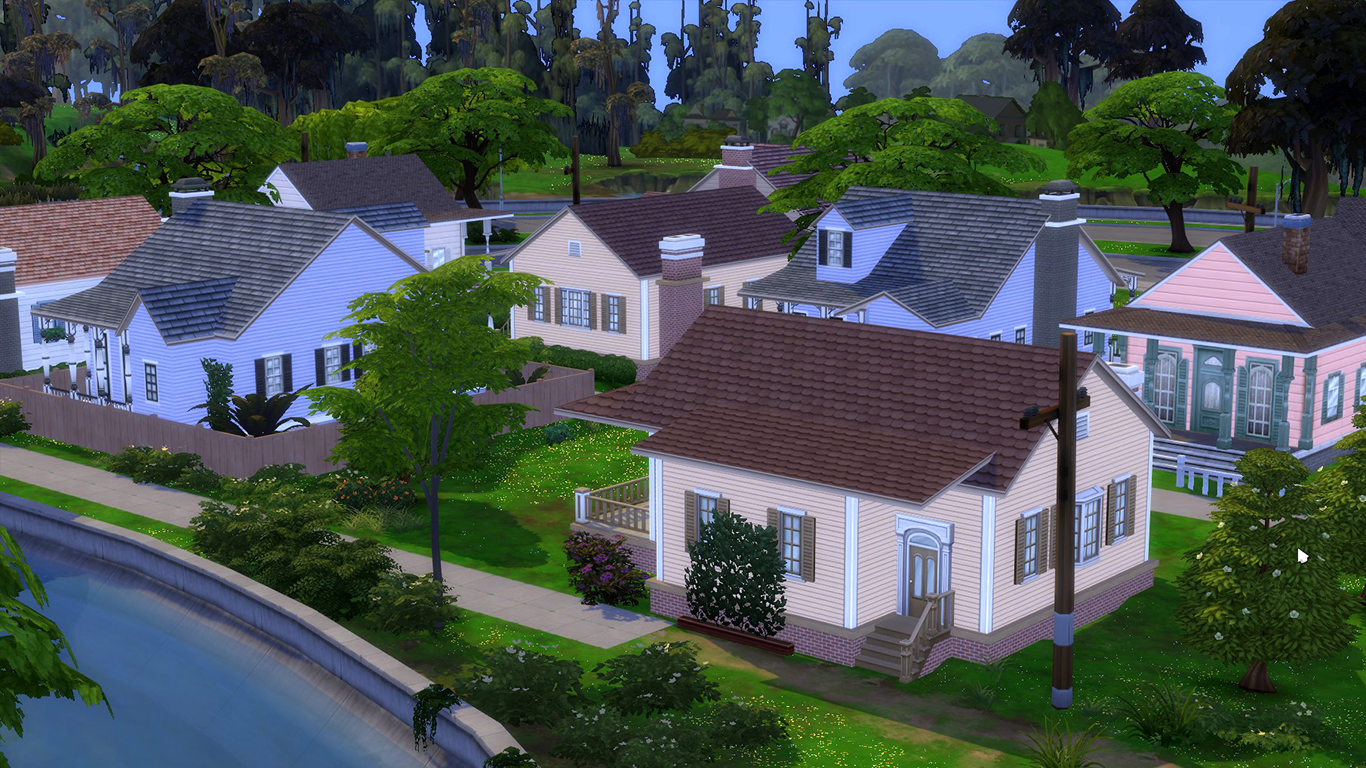
It's tempting to jump straight into decorating, but your home's exterior should come first. If the outside doesn’t work, no amount of nice furniture inside will fix it. It’s the frame that everything else hangs on, and ignoring the exterior until the end can often leave a home looking unfinished or odd.
The things you want to focus on are:
- Roof placement
- Windows
- Doors
- Foundations
- Porches
- Landscaping
Once the shell looks balanced to your liking from every angle, decorating becomes much easier and enjoyable.
Walk around the lot frequently while building. A house that looks great from the front may have a completely flat or unfinished back.
Don't Be Afraid Of Roofs
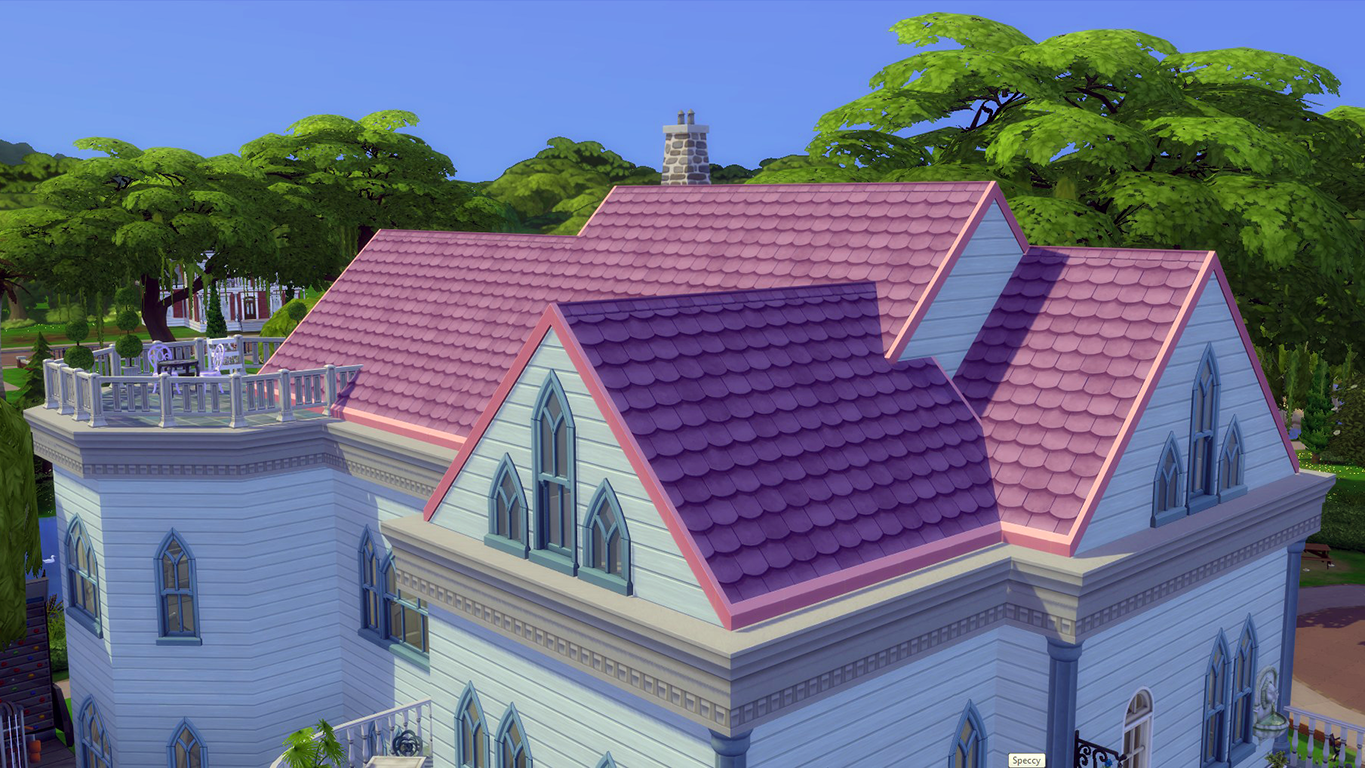
Roofs can seem intimidating for many builders, but they're one of the biggest factors in making a house look realistic.
Experiment with different roof pieces, overhangs, varying roof heights, and combining multiple roof styles.
It often helps to build the roof in stages instead of trying to complete it in one attempt, because roofing works best when you can adjust individual sections and gradually match them to the shape and size of your build. But when it comes to roofing, the main thing you want to avoid is using a single roof piece for the entire house or leaving roofs completely flat.
Use Build Mode Tools to Your Advantage
Many players barely scratch the surface of what Build Mode offers.
Some of the most useful tools include:
- Alt placement for more precise object positioning
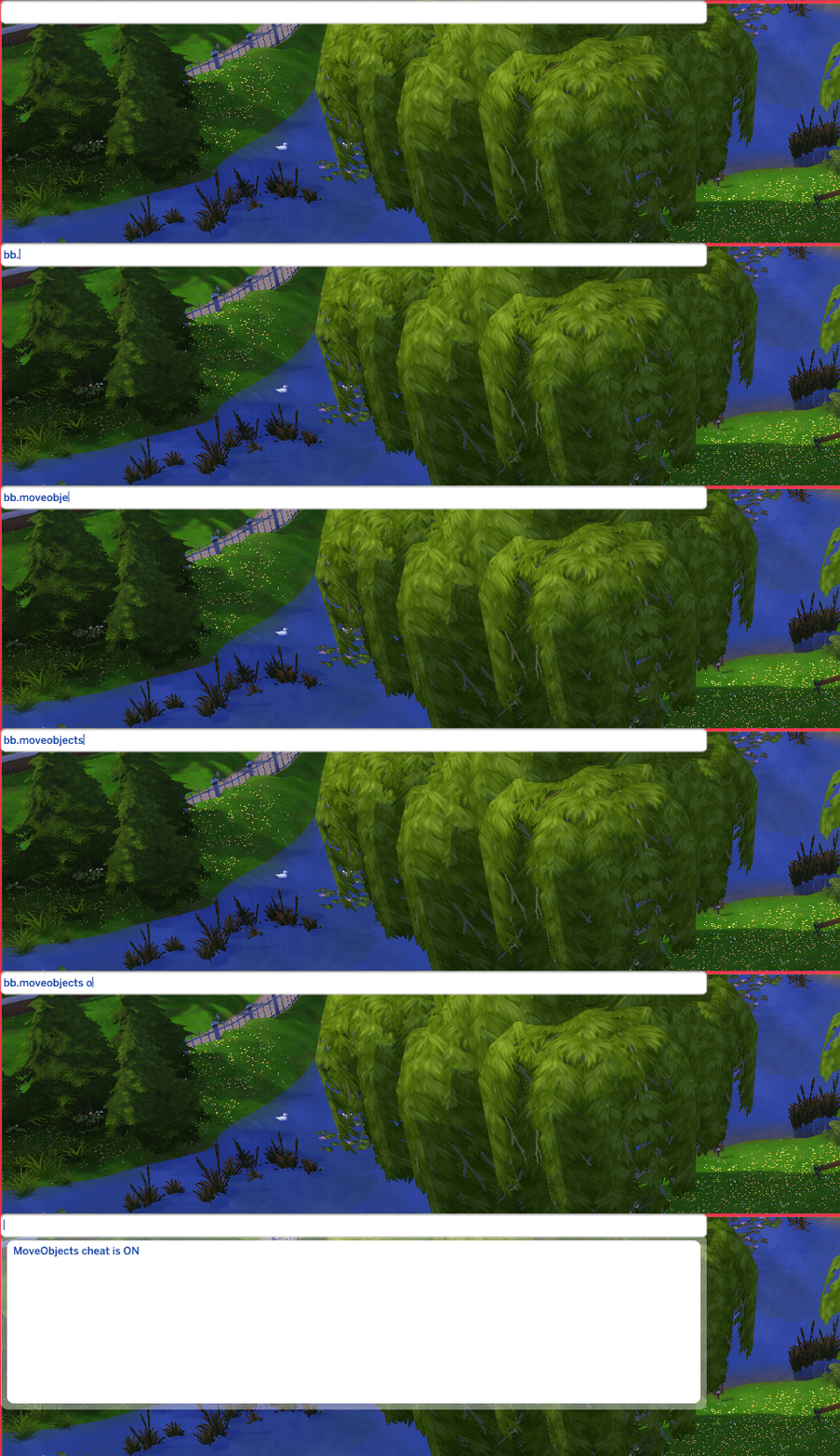
- bb.moveobjects for greater decorating freedom
- Object resizing for creating custom details
- Platforms to add depth to interiors
- Terrain paint for more natural-looking gardens
- Half walls to define spaces without closing off rooms
The real improvement comes from combining these tools rather than using them in isolation. For example, Alt placement and bb.moveobjects work especially well together when creating cluttered shelves or more natural-looking arrangements. Platforms can add structure to a room, while half walls help break up open spaces without fully closing them off. Once you start layering these tools together, your builds start to feel more detailed and thoughtfully designed.
Learning these tools can dramatically improve your builds! You might like to read about bb.moveobjects and other console commands in our recent article: "Beginner’s Guide to Sims 4 Console Commands: It's a Game Changer!"
Make Your Home Feel Lived-In
Details are what really bring a build to life.
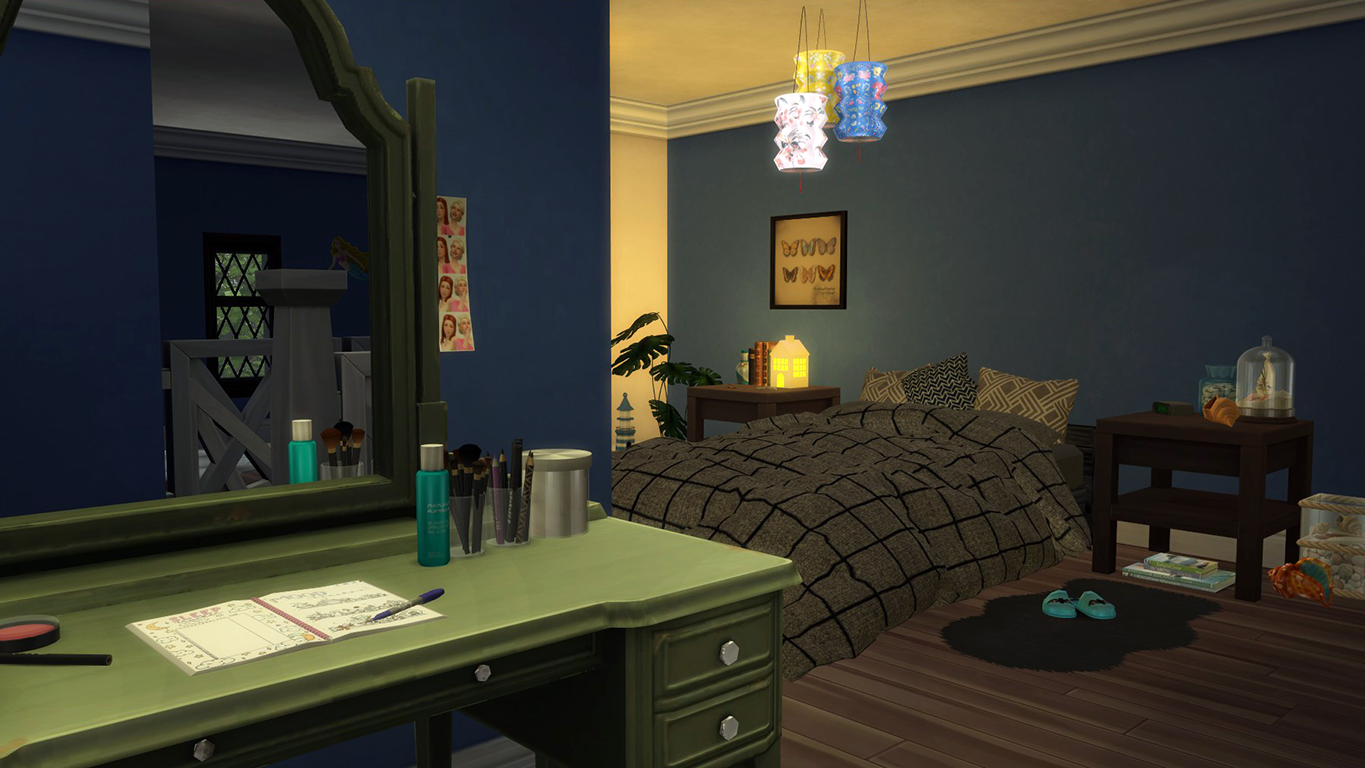
One simple way to improve this is to think about your Sim as you decorate. You don’t need to fully design every room around their personality, but even subtle touches, like a book left on a bedside table, the artwork on the walls, or hobby items placed around the home, can help a space feel like it belongs to someone.
Small details that I personally love for bringing builds to life:
- Plants
- Rugs
- Books
- Wall art
- Kitchen clutter
- Laundry baskets
- Decorative shelves
- Even a little mess here and there
- A hint at your sim's favorite color, perhaps?
The goal isn’t to fill every surface, but to strike a balance where the home feels lived-in rather than staged. When you get it right, the build feels more natural, more personal, and much more enjoyable to play in.
Try not to cover every surface with decorations, as leaving some empty space helps keep the room balanced with that organic feel.
Use Lighting To Create the Perfect Ambiance
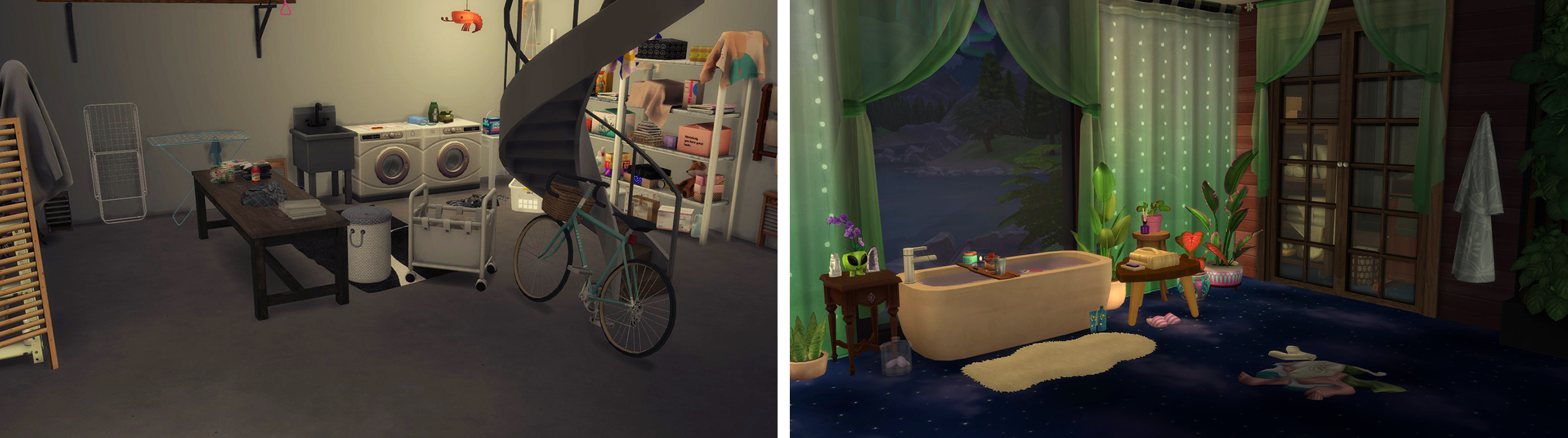
It might not be the first thing you think about while building, but good lighting can completely change the feel of a home. The goal isn't to make every room as bright as possible, but to make it feel natural, warm, and inviting. Not every space needs the same treatment, either. A cozy living room, a bright bathroom, or a simple basement area can all benefit from different lighting choices.
Ceiling lights are great for general illumination, but table lamps, floor lamps, wall lights, and even candles can add depth and create a much cozier atmosphere. Let there be light, but let it come from more than one source. You can also adjust the brightness and color of your lights by clicking them in Live Mode. Think about how each room would be used, too. A bright home office makes sense, while bedrooms and living rooms often benefit from softer lighting that feels more relaxing.
Outdoor lighting deserves some attention as well. Porch lights, pathway lights, and subtle garden lighting can make your landscaping stand out after dark and help your lot feel welcoming and atmospheric at any time of day.
While you're working on your build, switch to Live Mode and take a look around at night. It's much easier to tweak your lighting as you go than to redo it all at the end. Once your build is finished, give it one final walkthrough in Live Mode. Sometimes all it takes is moving a lamp or replacing one light fixture to make a room feel far more polished.
Create a Consistent Style
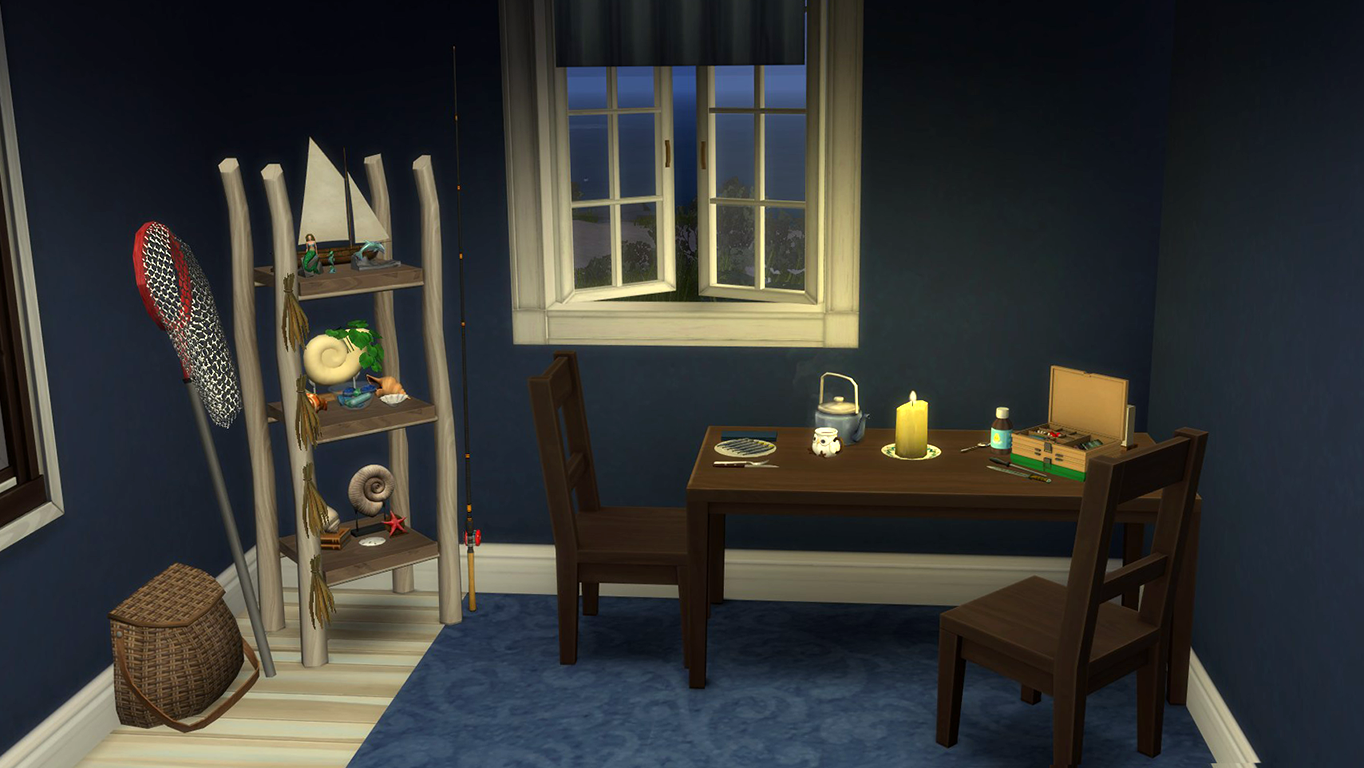
One of the easiest ways to make a build feel professional is by choosing a clear design theme.
Are you creating modern? Farmhouse? Victorian? Cottage? Industrial? Scandinavian? Whatever you choose, having a direction in mind helps everything feel more intentional as you build.
Try to stick with similar colors, materials, and furniture styles throughout the home. This doesn’t mean every room has to look identical, but there should be a sense that everything belongs in the same house.
A helpful trick is to define your style early using a few anchor pieces, such as your main sofa, bed frame, or kitchen cabinets, then build the rest of the room around those choices. This keeps your design grounded and prevents the style from drifting as you fill in details.
Consistency helps the entire build feel cohesive, believable, and more thoughtfully designed.
Use Landscaping to Finish Your Build
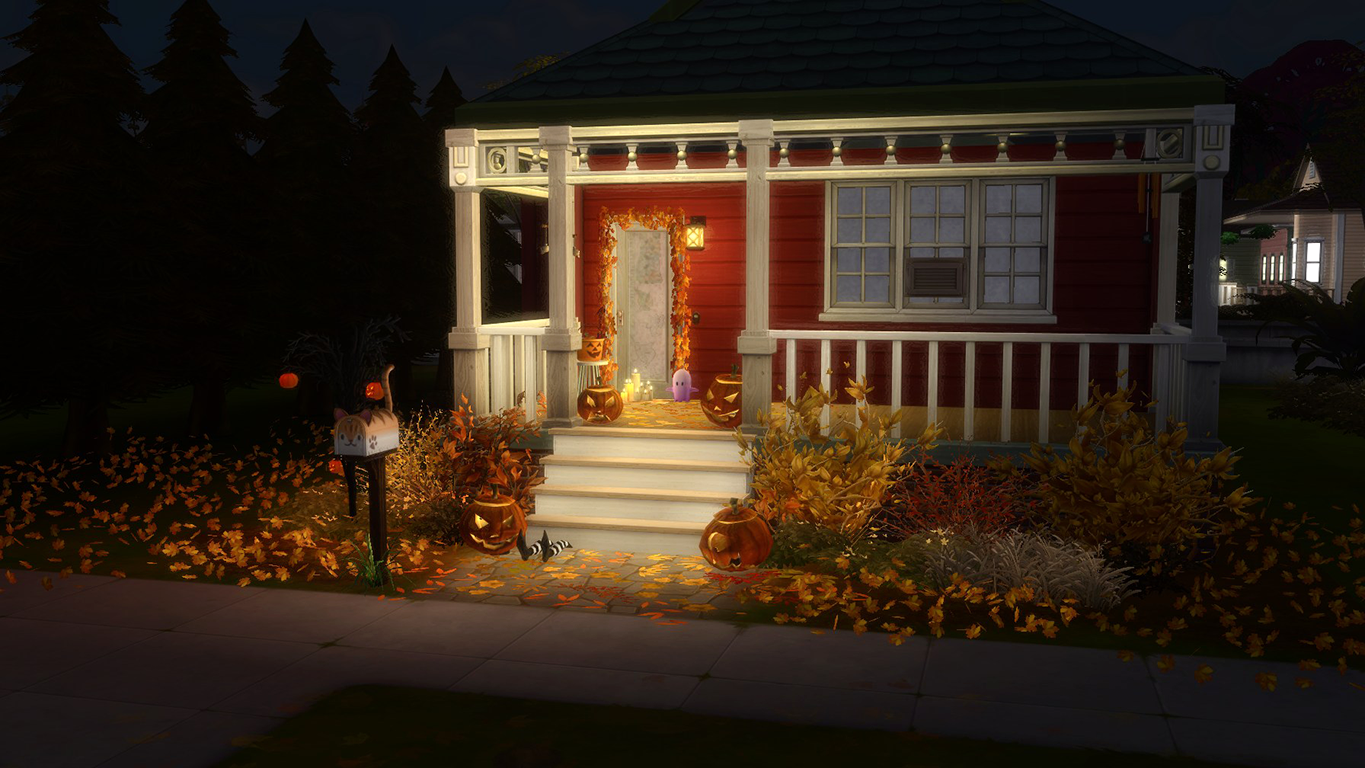
Landscaping is often treated as an afterthought, but it's another one of those things that makes a house feel complete.
Items like trees framing the house, shrubs softening hard edges, flowers adding color, or pathways guiding you to the front door are a great place to start. Outdoor lighting, fences, and little decorative details like birdhouses or garden clutter can also help the outside feel just as intentional as the inside. You can even place your decor seasonally.
Try layering different plants and objects together instead of placing identical shrubs in perfectly straight, repeated lines, and rotating multiples of the same object when placing is a big help. Real spaces are a little messy and uneven, and leaning into that can make your builds feel much more natural and interesting.
What you don't want to do is leave the lot completely flat, or with little to no landscaping. A well-landscaped lot doesn’t just sit in the world; it feels like it belongs there. It's the difference between a build that looks “fine” and one that actually makes you pause when you zoom out to enjoy the scenery.
Test Your Build Before Calling It Finished
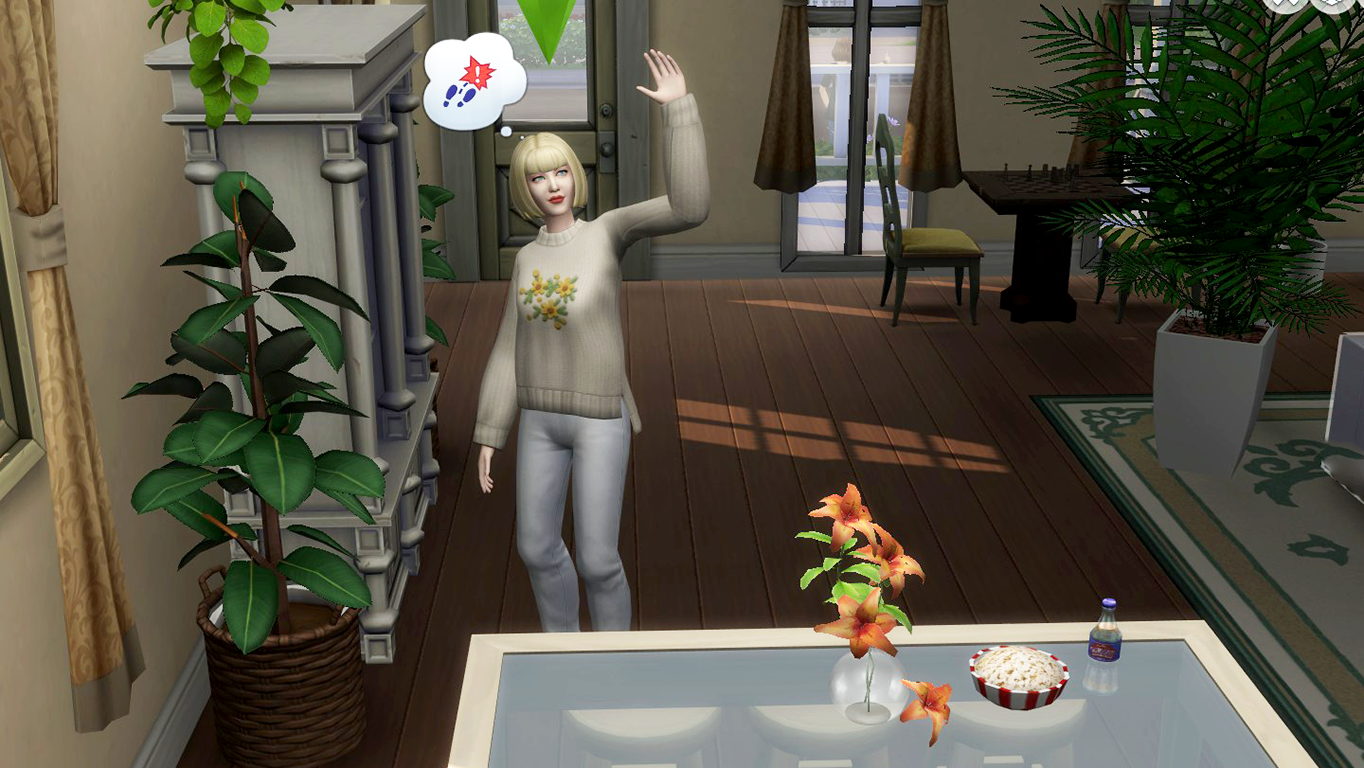
Before declaring your build finished, spend a few minutes in Live Mode to ensure everything works as intended.
Check that Sims can use all of the beds, cook in the kitchen, sit at the dining table, access bathrooms, walk through doorways, and use staircases without routing issues.
It’s easy for a build to look perfect in Build Mode, but still have small issues once Sims start moving around in it. Taking a moment to test things now can save a lot of frustration later and help make sure your build is not just good-looking but actually playable.
Final Thoughts
Improving in Build Mode isn’t about memorizing every shortcut or following one “correct” way to build. It’s more about learning techniques, understanding how the tools work, and getting comfortable making changes as you go.
It can also help to explore the amazing library of mods right here on CurseForge to expand what you do in Build Mode. Here you can find build items, clutter, and all sorts that can add extra detail, variety, and personality to your builds if you want to expand beyond the base game. And go ahead and use the search feature! It's a quick way to find items or sets related to your needs.
So try new layouts, experiment with different styles, and just start to keep in mind what works and what doesn’t in your builds as you do it more. With a bit of patience and experimentation, you’ll start to notice your builds becoming more intentional, more cohesive, and more enjoyable to both create and play in.