Minecraft is a game of nearly endless creativity, and you can’t have creativity without color. That’s where dyes come in. Dyes allow you to customize a handful of blocks, items, and even your own armor.
Getting the dyes you need can be its own process, though, with different colors requiring a different approach, and sometimes some hard-to-find items.
White dye, rivaled only by black dye, is one of the most important colors available, since it’s used to blend together lighter versions of all the other colors. Here’s everything you need to know about hunting down some white dye for yourself.
How to Make White Dye
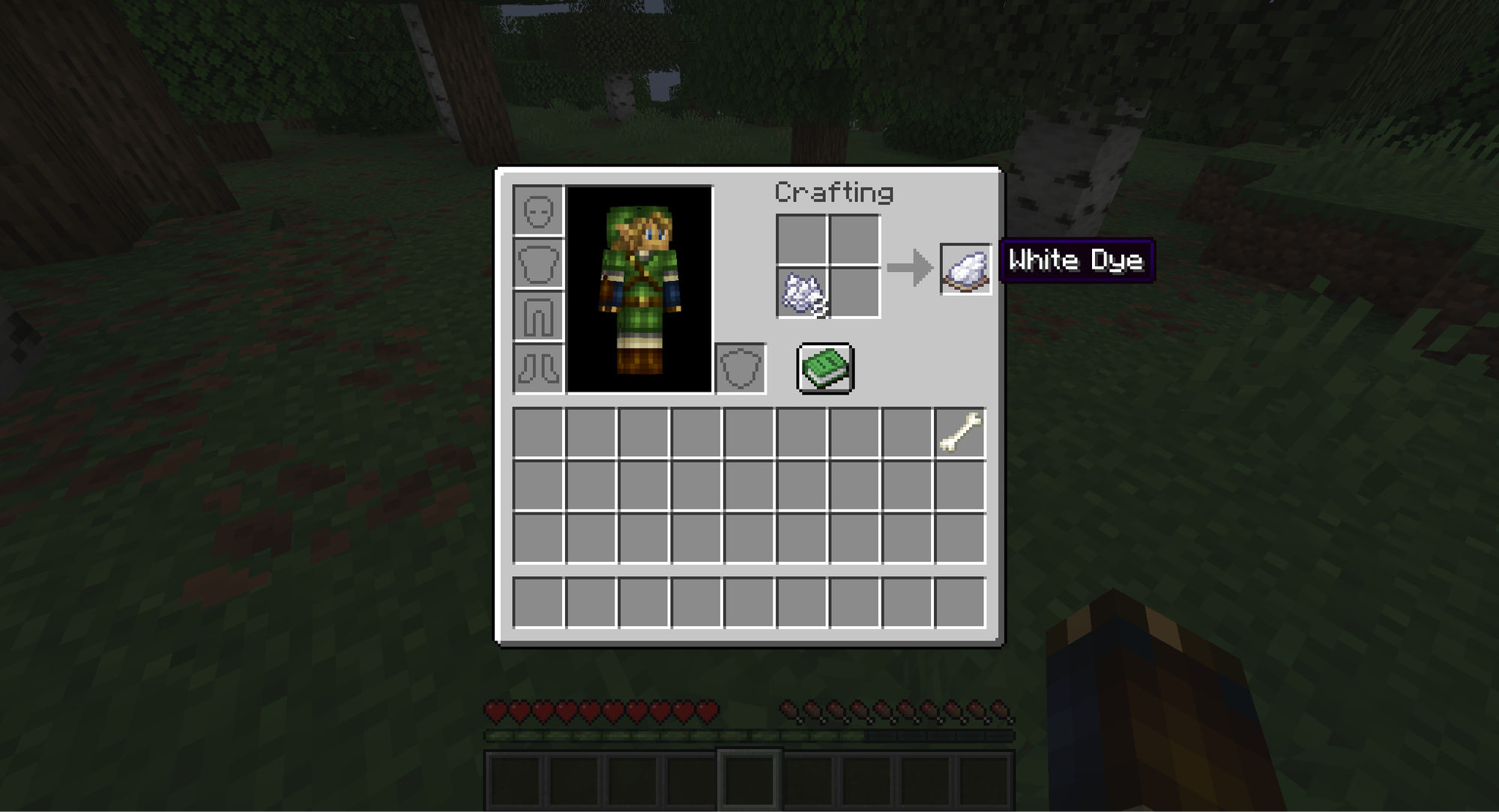
There are two ways to craft your own white dye: from bonemeal or from a flower called “Lily of the Valley”. Simply place either item anywhere in a crafting grid and it can be crafted into white dye.
White dye can also be found by brushing “suspicious gravel” blocks inside trial ruins, or by a wandering trader if you get the correct trade. But since both of these options are far less likely or accessible than the usual way, we can’t really recommend going this route.
How to Get Bonemeal
Bonemeal has changed a lot throughout Minecraft’s many updates. The original white dye, bonemeal now has to be crafted into white dye first. It can also be used to fertilize crops and grass.
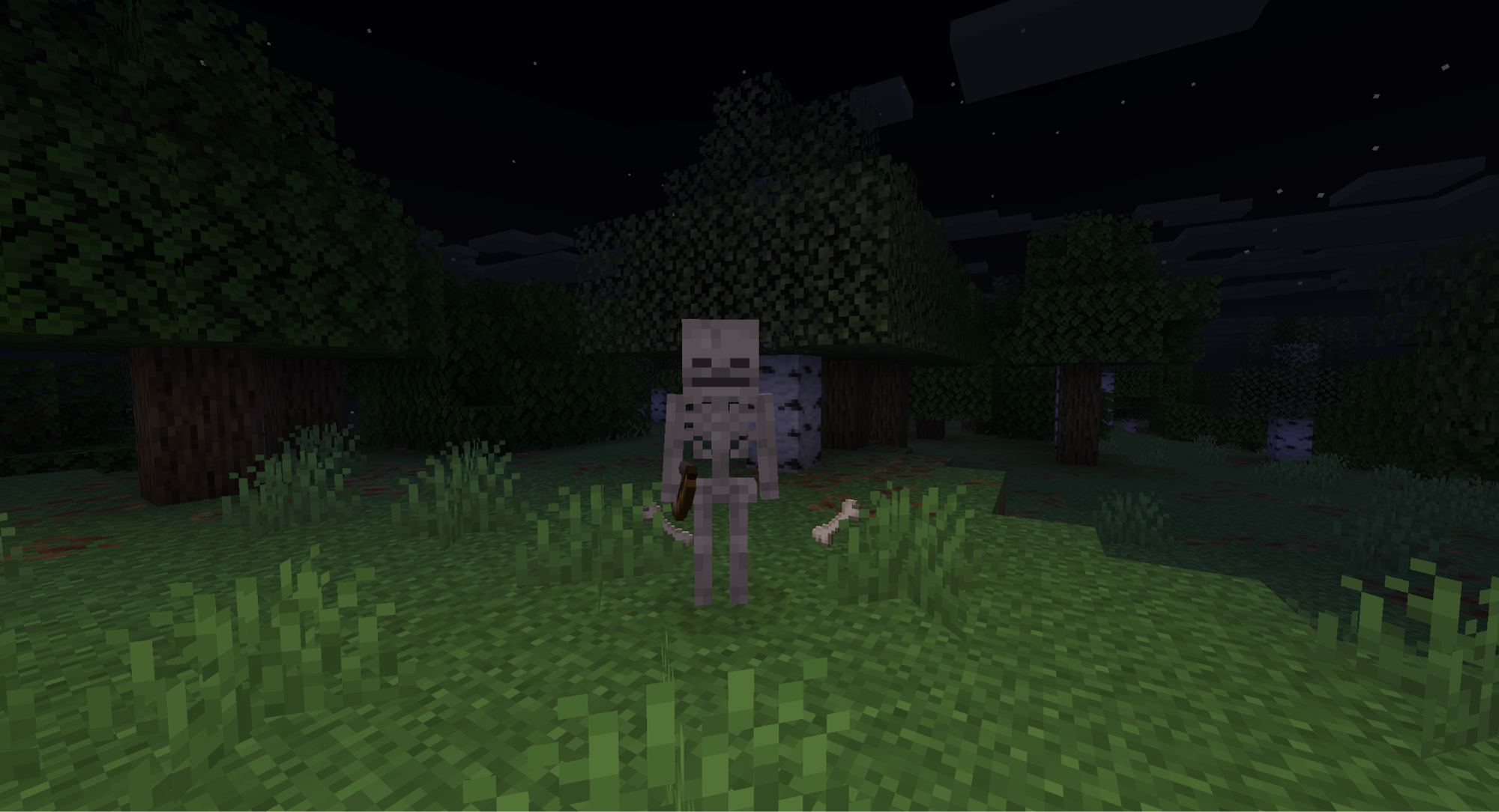
To get bonemeal, put one bone in a crafting grid which will allow you to craft 3 bonemeals. Typically, there’s a 60% chance for any skeleton-based mob to drop one or two bones when defeated.
Bonemeal can also be crafted from bone blocks, which are only found within fossil structures buried underground or in Soul Valley biomes in the Nether. One block can then be crafted into 9 bonemeals.
Tip: If you’d prefer to do things the hard way, fishing has a little over a 1% chance to pull up a bone. Bones can also be looted from the following structures:
- Monster spawn rooms
- Ancient cities
- Desert pyramid
- Jungle pyramid
- Woodland mansion
Where to Find Lily of the Valley
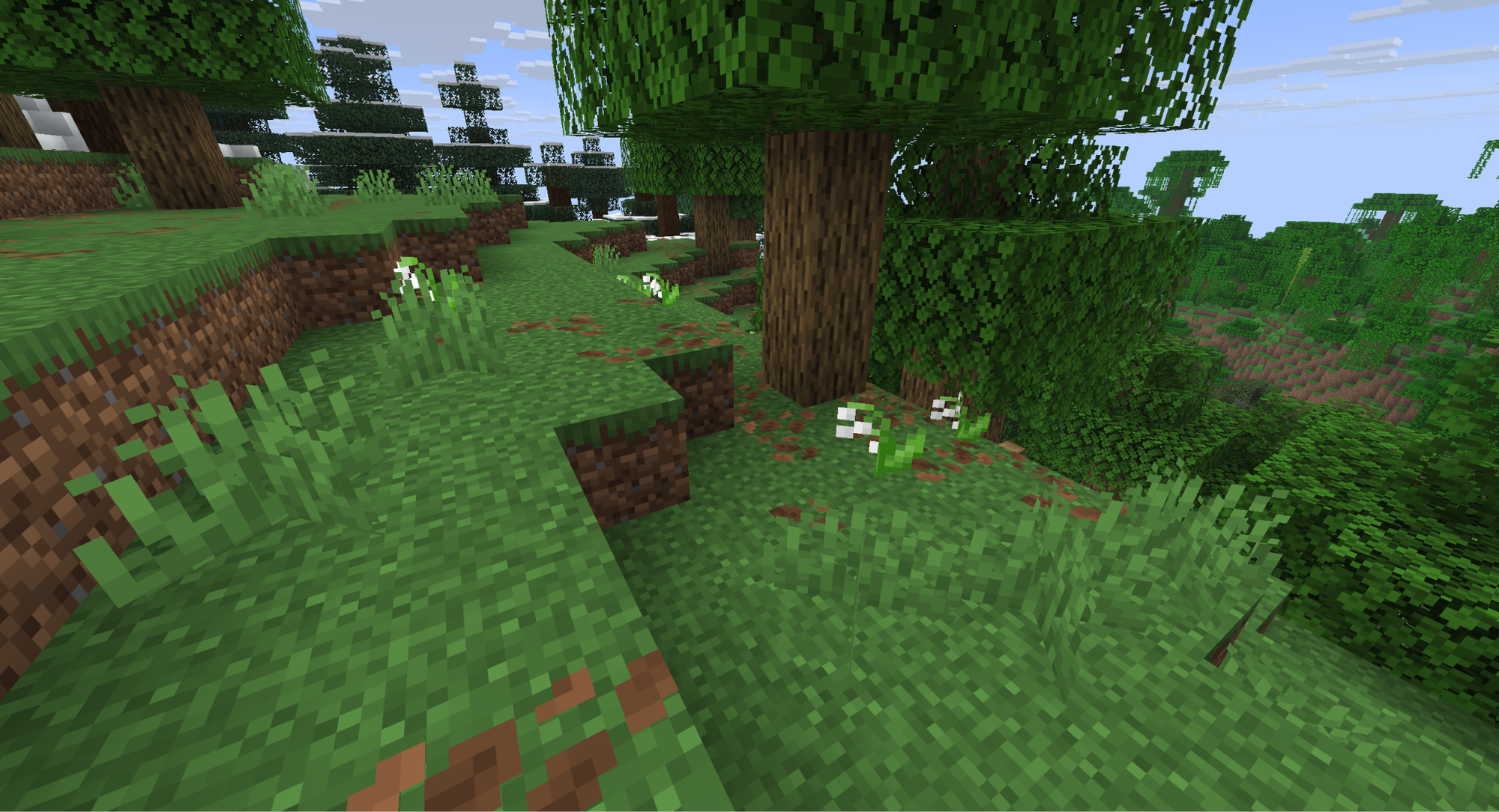
Since bones only drop from hostile mobs, they aren’t as easy to get a hold of in "Peaceful" mode. A good alternative, then, is to find “Lily of the Valley” flowers and craft them into white dye. Every flower can be crafted into a different dye color, making them a plentiful source of color.
Lily of the Valley can be found in the following biomes:
- Forest
- Flower Forest
- Birch Forest
- Old Growth Birch Forest
- Dark Forest
Important: bluets, daisies, and tulips can be crafted into light gray dye, instead of white.
If there aren’t any nearby, using bonemeal on the grass will spawn a patch of tall grass and randomly chosen flowers, including Lily of the Valley. But since bonemeal can also be used to make white dye, this method is a bit redundant.
What Can You Do with White Dye?
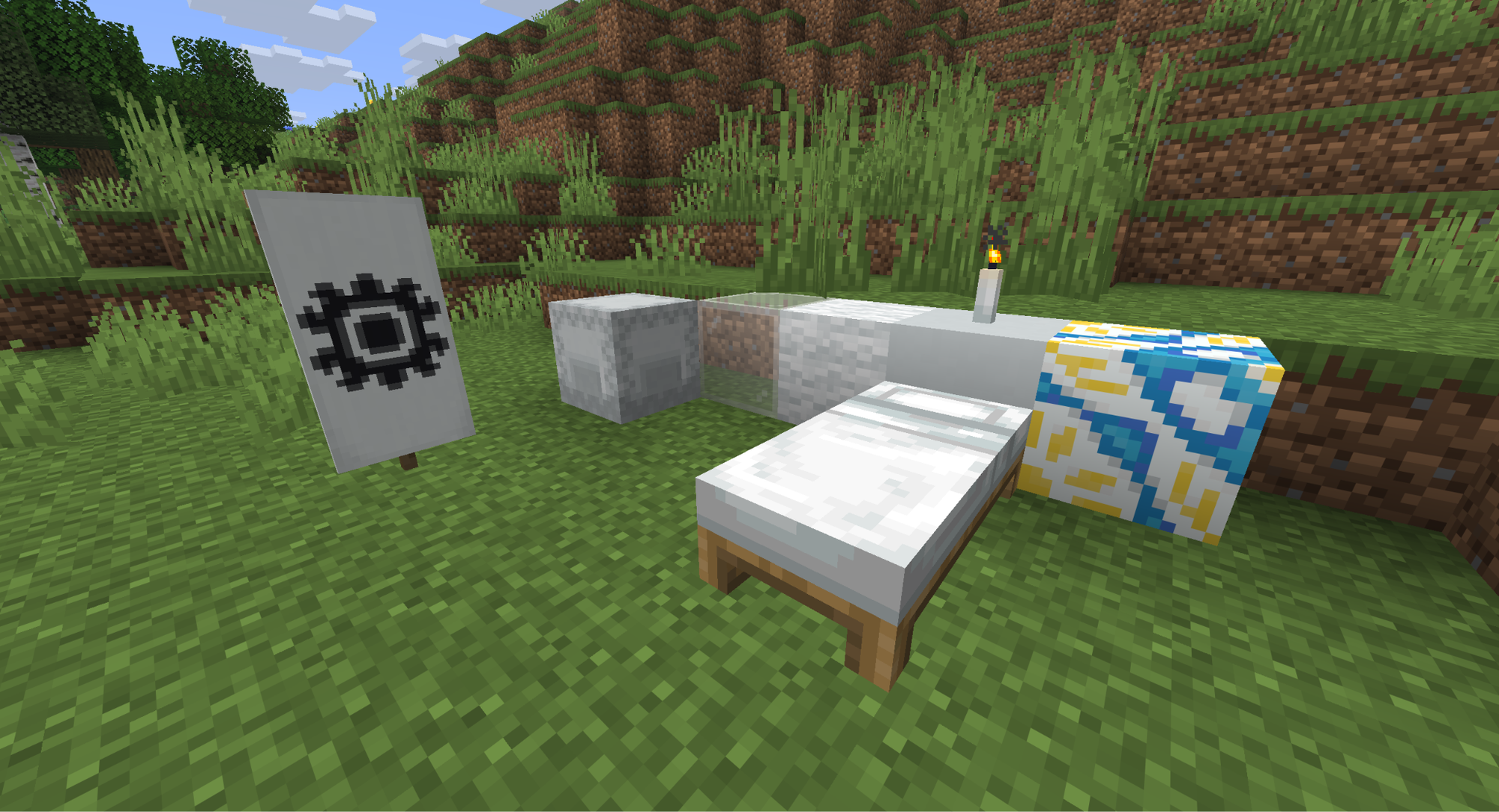
All dyes, including white dye, have an impressive selection of possibilities. Customizing wool, carpets, and beds are the common uses, sure. Most folk know you can also dye sheep, but the dye rabbit hole goes much deeper than you might realize.
White dye can be used to customize ghast harnesses, change the text color on signs, and customize leather armor. Decorative-minded builders can take advantage of dying concrete. Glazing white terracotta will result in vibrant patterns to work with, too.
It’s also a critical ingredient in the creation of banners and firework stars, both of which have their own complex systems for creating one of a kind designs and visuals.
Minecraft Mods that Do Something Different with Dyes
Dyes add a great level of customization to Minecraft, but that freedom can go even further with mods. Minecraft has one of the largest modding communities of all time, making custom content for almost any occasion. These mods in particular expand on the potential behind dyes.
1. Dyenamics
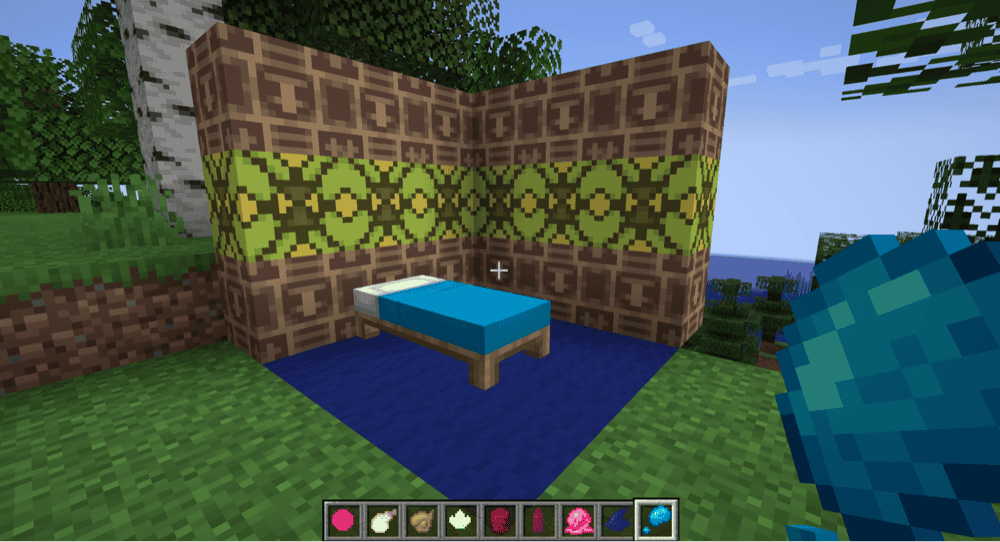
If a lack of variety is your main concern, Dynamics is the answer. This mod adds 18 dye variants, filling out the gaps in the color spectrum. They can be applied in all the same ways as vanilla dyes, including new beacon colors.
2. Dye Mob Dye
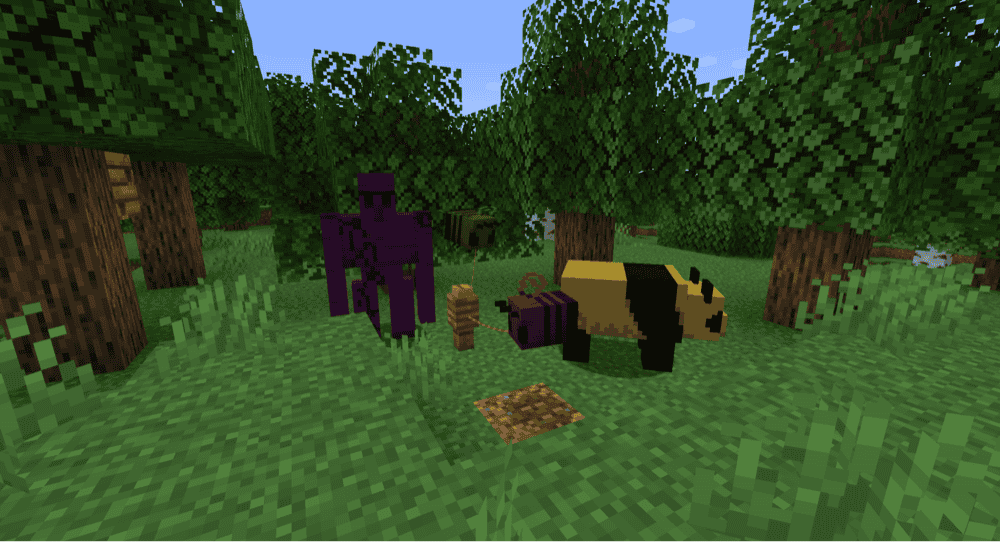
Why should sheep have all the fun? This straightforward mod enables the use of dyes on most other mobs in the game. Create rainbow cow pens, or add variety to your cat collection.
3. Finally Farmable Dyes
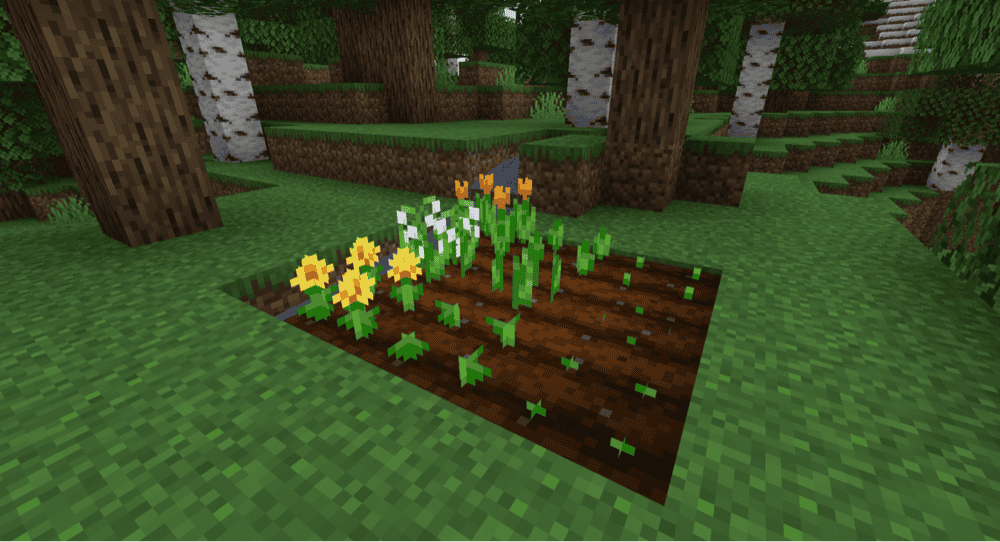
Having to rely on foraging and bonemeal to find flowers can be tedious, especially for the less-common colors. The Finally Farmable Dyes mod creates seeds for most flowers (including Lily of the Valley) that can be planted and eventually harvested for more flowers. It’s an easy but still involved way to create a sustainable flower supply.
How to Install Minecraft Mods
You can install the above mods automatically using the CurseForge app or manually by placing the mod files within your game’s mods folder. Both methods allow you to easily add custom features and enhancements into your vanilla Minecraft experience.If you want to learn more, you can read our detailed guide on how to install Minecraft mods.
Common Issues and Quick Fixes
My white dye isn’t mixing with other dyes
Note that not every dye can mix cleanly as only specific combinations work. Also check that you’re using white dye and not light gray dye, which cannot be mixed with any other dye.
I accidentally dyed something the wrong color
Some items, like wool, beds, and shulker boxes, can be re-dyed multiple times. Other items, like glass, terracotta, and concrete, are locked into the first color they’re mixed with.
Unfortunately, there’s no way to undo that initial dying, and you’ll need to craft a new batch to dye them again.
My leather armor didn’t turn white when I used white dye
Leather armor is a rare exception to the dying process. Instead of taking on the exact color of the dye, it adds it to any existing dyes previously applied. For example: using red dye will make it red, but using white dye after that will turn it pink.
To get a pure white dye on leather armor, it needs to be undyed. You don’t need to make a new armor piece, though. Activating a cauldron of clean water with the leather armor will “wash off” any existing dye and you can dye it again however you’d like.